
- Teacher: Admin User
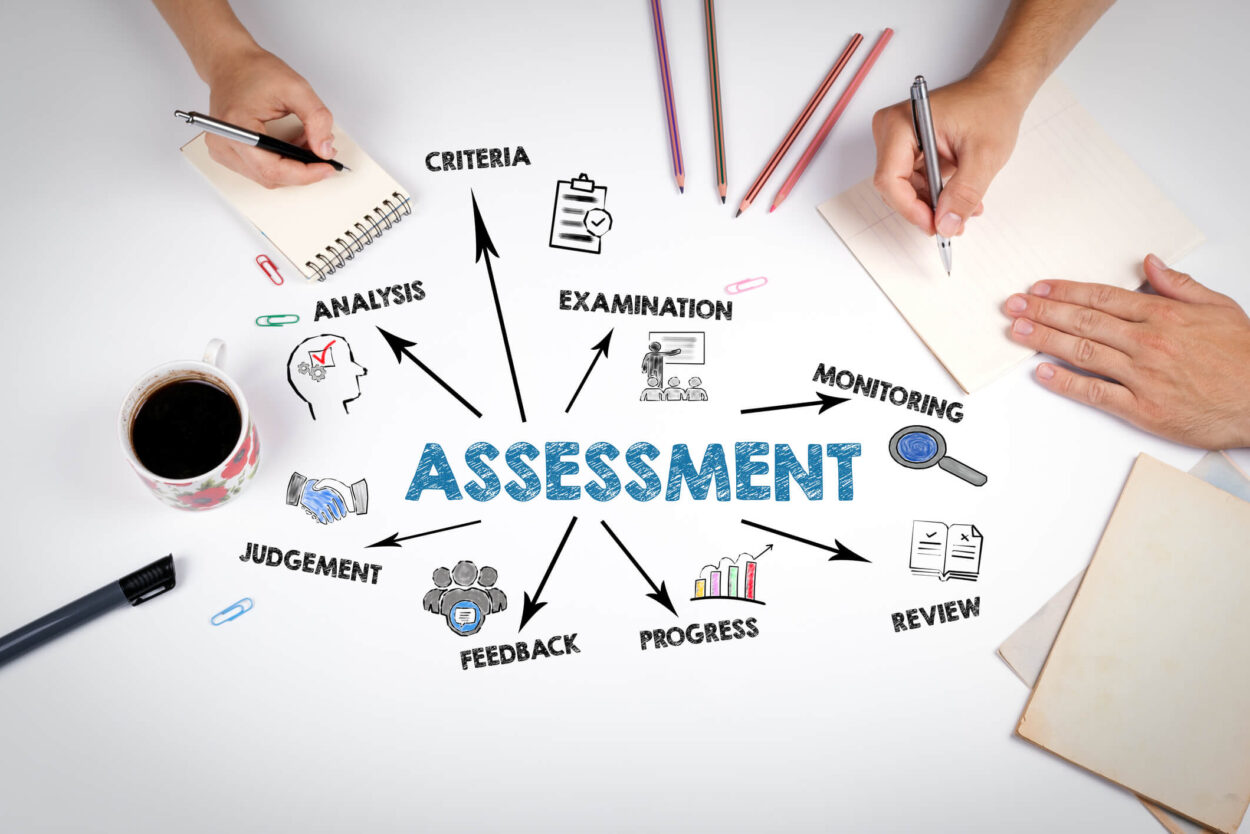
Assessment is a crucial part of the teaching-learning process. In this topic, we'll explore various assessment strategies to enhance student learning, track progress, and improve outcomes. You'll learn to design assessments that align with learning objectives, provide constructive feedback, and use data to inform teaching decisions.
Objectives:
1. Identify and explain different types of assessments and their purposes.
2. Design assessments that align with learning objectives and outcomes.
3. Apply strategies for providing constructive feedback to enhance student learning.
The primary goal of this assessment is to evaluate the user's ability to synthesize theoretical knowledge and apply it to a practical, real-world scenario. It focuses on higher-order thinking skills such as analysis, evaluation, and creation.
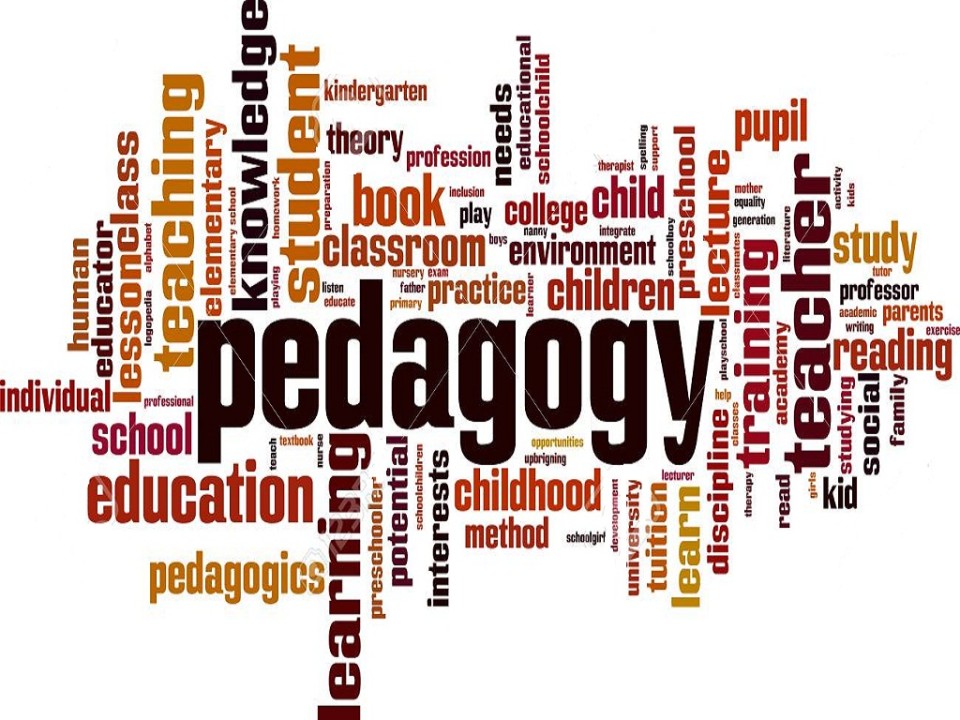
Course Based on Pedagogy
This course is designed around sound pedagogical principles that emphasize active learning, reflection, and real-world classroom application. It aims to strengthen teachers’ professional competencies and improve student learning outcomes.
- Learner-Centered Approach: Focuses on understanding learners’ needs, abilities, and prior knowledge to design meaningful learning experiences.
- Active and Experiential Learning: Encourages hands-on activities, discussions, projects, and collaborative learning.
- Constructivist Pedagogy: Supports knowledge construction through inquiry, problem-solving, and reflection.
- Inclusive Teaching Practices: Addresses diverse learning styles and promotes equity and accessibility in the classroom.
- Assessment for Learning: Integrates formative assessment, feedback, and self-assessment to guide continuous improvement.
- Reflective Practice: Encourages teachers to critically reflect on their teaching strategies and classroom experiences.
Through this pedagogy-based course, teachers develop the skills, attitudes, and confidence required to create engaging, inclusive, and effective classrooms.

This course is designed to empower educators with the knowledge and skills to integrate Artificial Intelligence into their classrooms effectively. We will explore generative AI for lesson planning, automated grading tools, and ethical considerations in the digital age. By the end of this course, you will have a personalized 'AI Toolkit' ready for immediate use in your curriculum."

Course Title
Technology Tools for Teaching & Teacher Etiquettes
Course Code: 08/2026
Course Overview
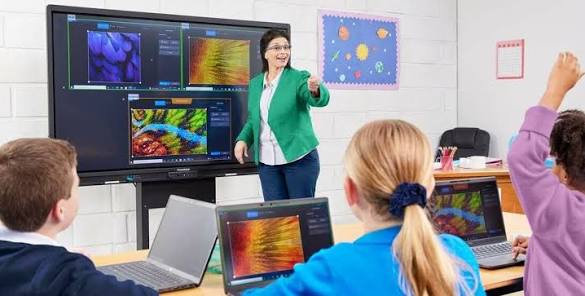
This course is designed for pre-service teachers to develop practical skills in using digital tools for effective teaching, assessment, classroom management, and ethical technology use. The course follows a blended learning approach, combining live interactive sessions, asynchronous learning materials, hands-on activities, and reflective practice.
Course Details
- Mode: Blended (Live + Asynchronous)
- Total Duration: 6–8 hours (including assignments)
Course Learning Outcomes
By the end of this course, participants will be able to:
- Select appropriate digital tools for teaching, assessment, and student engagement
- Design learner-centred and visually effective teaching resources
- Create and administer digital assessments
- Manage digital classrooms and learning resources effectively
- Demonstrate ethical, safe, and responsible use of technology

Reimagine what's possible in your classroom. This transformative certificate program empowers educators to break free from traditional constraints and embrace innovative practices that ignite student curiosity, deepen engagement, and cultivate essential competencies for the future.
Move beyond conventional teaching methods to discover approaches that honor diverse learning needs, leverage technology as a powerful enabler, and position students as active creators of knowledge. Through hands-on exploration, collaborative inquiry, and reflective practice, you'll develop the confidence and competence to lead instructional innovation in your school.
This program bridges theory and practice, providing immediately applicable strategies while grounding your work in research-informed pedagogical frameworks. Join a community of forward-thinking educators committed to making learning more meaningful, relevant, and transformative for every student.
Key Focus Areas
- 📚 Innovative pedagogical models and student-centered approaches
- 🎨 Creative lesson design and experiential learning
- 💻 Meaningful technology integration and digital pedagogy
- 🌟 Differentiation, personalization, and inclusive teaching practices
- 📊 Assessment for learning and growth mindset cultivation
- 🔬 Project-based learning and real-world connections
- 🤝 Collaborative teaching strategies and learning communities
🎯 Program Outcomes
By the end of this program, you will have developed a personalized innovation toolkit, implemented new strategies in your classroom, and created an action plan for sustained pedagogical growth.
- Teacher: Admin User